02 Sep
A New Benchmark in Laundry Care: How MGDA is Reshaping the Cleaning Philosophy of Detergents
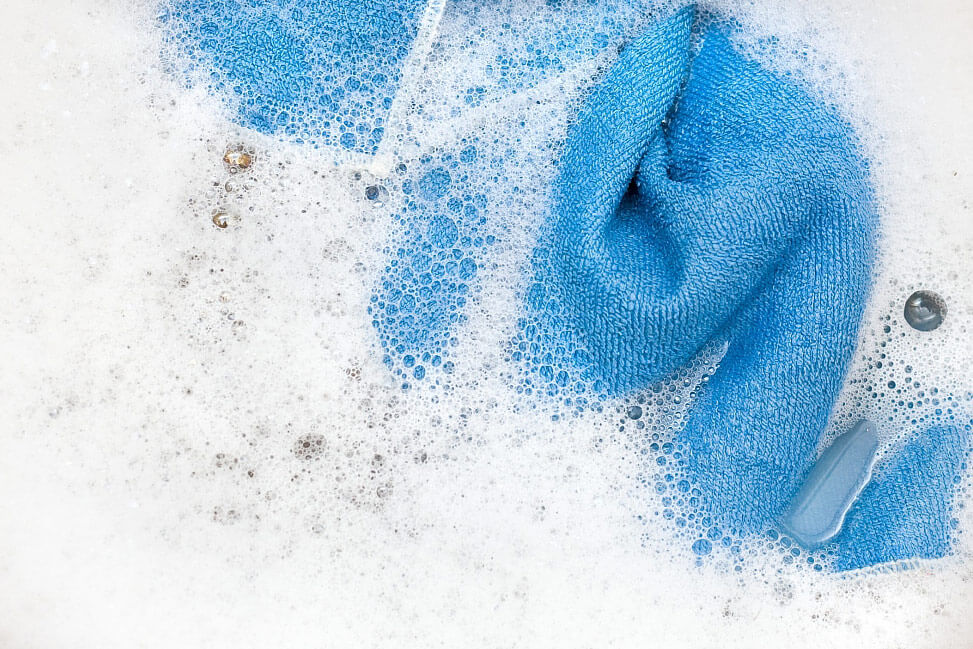
When consumers unpack a new piece of clothing, no one wants to see the collar turn yellow after just three washes; when mothers scrub their babies' bibs, their biggest concern is chemical residues irritating the delicate skin. The emergence of methylglycine diacetate (MGDA) is redefining the gold standard for laundry detergents with its triple advantages: "high-efficiency cleaning + gentle fabric care + eco-friendliness". This innovative ingredient, derived from green chemical technology, not only solves the residue problem of traditional detergents but also makes every wash a double care for both clothes and the environment.
I. From "Stain Removal" to "Fabric Care": MGDA's Molecular-Level Cleaning Wisdom
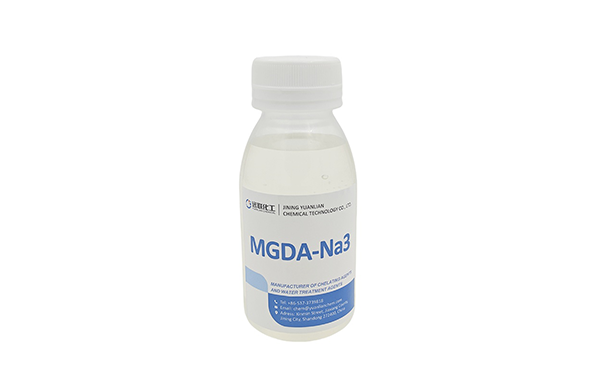
MGDA's core competitiveness lies in its unique chelating mechanism. As a small-molecule chelating agent, it can precisely capture calcium and magnesium ions in water, preventing them from combining with surfactants in detergents to form gray soap scum – the culprit behind clothes hardening after washing and collars turning yellow. Experimental data shows that laundry detergent containing 0.3% MGDA reduces soap scum formation by 68% in 120ppm hard water, and cotton fabrics remain 90% fluffy after 20 consecutive washes. After a baby care detergent brand adopted an MGDA formula, the positive feedback rate from users commenting that "babies' clothes stay as soft as new after washing" increased by 42%.
This molecular-level cleaning wisdom is particularly prominent in low-temperature washing. Traditional detergents see a 30% drop in stain-removing power below 20°C, while MGDA remains active at low temperatures. When working synergistically with proteases, it improves the removal rate of milk stains and sweat stains by 25%. This means consumers can wash with cold water, saving energy while protecting fabric fibers – data shows that using cold-water detergents containing MGDA can reduce household laundry energy consumption by 18% annually.
II. Eco-Friendliness: Allowing Every Drop of Wastewater to Return to Nature
MGDA's environmental genes run through from production to end-use. Its biodegradation rate is as high as 98% (meeting OECD 301F standards), far exceeding the 30% of traditional phosphates and even outperforming some similar chelating agents. In sewage treatment systems, MGDA can be completely decomposed by microorganisms into carbon dioxide and water, without accumulating in water bodies to cause eutrophication. This characteristic has made it the preferred alternative ingredient for major brands after the EU Detergent Regulation strictly restricted phosphates.
Domestic policies have also paved the way for MGDA's application. The Green Product Evaluation Standard for Laundry Detergents clearly sets biodegradation rate ≥ 90% as a core indicator, and detergents using MGDA can easily meet this standard. A well-known daily chemical enterprise launched a "phosphate-free laundry detergent" using MGDA, which not only obtained China Environmental Labeling Certification but also became the sales champion of "eco-friendly detergents" on e-commerce platforms in its first month of launch.
III. Formula Innovation: Redefining the Gentleness Standard of Detergents
MGDA's low irritation makes it a boon for people with sensitive skin. Traditional chelating agents may damage the skin barrier, while MGDA has a near-neutral pH. According to skin patch tests, its irritation is 50% lower than that of EDTA. After a laundry detergent brand focusing on "hypoallergenic formulas" added MGDA, reports of skin itching from consumers decreased by 67%.
In terms of formula synergy, MGDA has perfect compatibility with plant-based surfactants. It can enhance the permeability of surfactants, reducing their usage by 15% without lowering stain-removing power. This "reduced dosage with enhanced efficiency" characteristic makes detergents both eco-friendly and economical – calculations show that concentrated laundry detergents containing MGDA reduce the cost per wash by 8% compared to traditional products.
IV. Market Trends: From Technological Innovation to Consumption Upgrade
The global MGDA market reached $280 million in 2024, with the laundry detergent sector accounting for 63% and maintaining an annual growth rate of 7.2%. Behind this growth wave is the upgrading of consumers' awareness that "cleaning is not just about stain removal". Data from an e-commerce platform shows that the search volume for detergents with the keyword "MGDA" has increased by 130% annually, and 72% of users stated that "they are willing to pay a 10%-20% premium for eco-friendly formulas".
From the laboratory to the laundry basket, the application of MGDA is rewriting industry rules. When a white shirt remains bright white after 50 washes, when a baby's drool bib carries the scent of sunshine rather than chemical residues, when the water discharged from the washing machine can nourish the lawn – in these details lies MGDA's ultimate answer to laundry care: true cleaning is about making every wash a gentle treatment for clothes, the human body, and the planet.
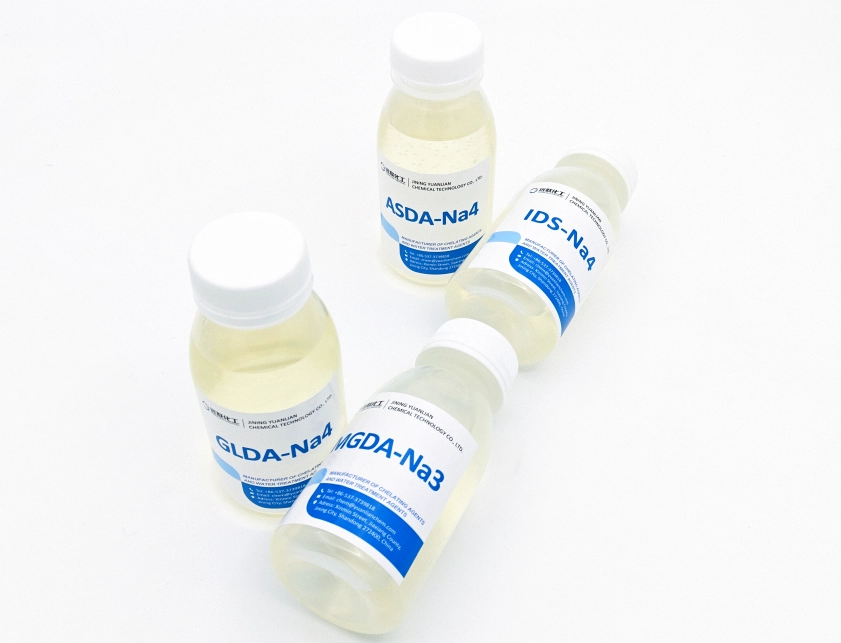
When people mention MGDA produced by Shandong Yuanlian Chemical Co.ltd., they will think that every wash is a gentle treatment for clothes, human body and the earth.
최신 뉴스
Need help
Prefer speaking with a human to filling out a form? call corporate office and we will connect you with a team member who can help.